I Thought I Was Just Overwhelmed… It Was Perimenopause

on Mar 23, 2026, Updated Jun 30, 2026
This post may contain affiliate links. Please see our disclosure policy for more details.
I had heard women talk about it here and there.
Perimenopause.
Hormones.
Hormone Replacement Therapy.
But until I experienced it for myself, the whole conversation felt distant and foreign.
Over the last several years things slowly started changing for me in the perimenopause department, finally peaking in 2025. Looking back now, I can clearly see the symptoms that had been building for quite some time.
At the time though, it just felt like life was getting harder.
Table of Contents
- The Symptoms I Couldn’t Ignore Anymore
- Finally Connecting the Dots
- One Simple Piece of Advice That Helped
- Meeting With a Hormone Specialist
- What My Labs Revealed
- My Treatment Plan
- The Results
- Three Months Later
- The Unexpected Bonus
- What I’ve Learned
- If You’re Experiencing Similar Symptoms
- Get the Stay Fit Mom Hormone Panel
- Taking Care of Your Body in Every Season
The Symptoms I Couldn’t Ignore Anymore
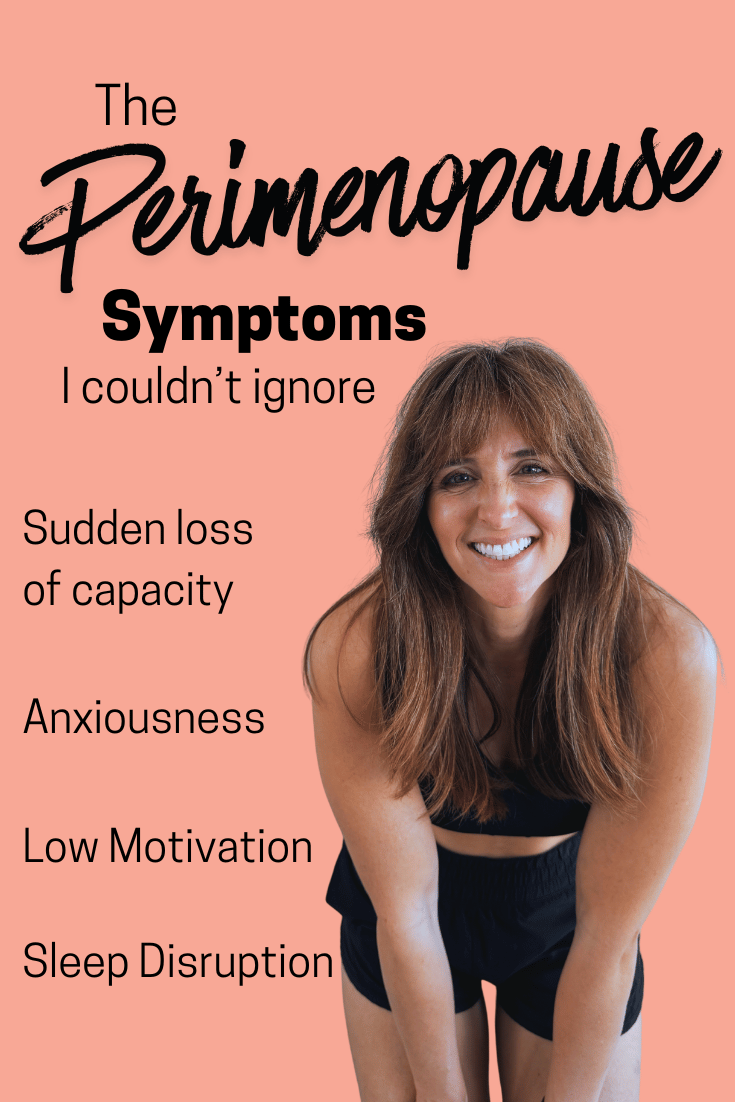
The first thing I noticed was anxiousness.
Thankfully I had already learned the power of deep breathing, because I found myself using it often just to keep myself from slipping into full-blown panic attacks.
Then came the midday exhaustion.
Not the normal tired you feel after a long day, but the kind where I genuinely felt like I could fall asleep standing up.
Along with that came something that was harder to explain: a sudden loss of capacity.
My life has always been full. Between family, business, workouts, and everything else, I’ve always been able to manage a lot—and do it joyfully.
But suddenly I felt like I was drowning in things I normally handled without a second thought.
Simple tasks started to feel overwhelming:
- Scheduling doctor appointments
- Driving kids to activities
- Basic chores around the house
Even tracking my macros—a habit I’ve maintained on and off for nearly 10 years—felt like something I just couldn’t keep up with anymore.
And then there were the emotions.
They became intense and unpredictable. There were moments I would find myself crying while simultaneously telling my husband,
“I don’t know if this is actually making me sad… or if this is just my hormones.”
At one point I realized I had started losing trust in my own emotions.
This didn’t happen all at once. It was more like a slow burn that eventually reached a peak.
Finally Connecting the Dots
All of a sudden, all those conversations I’d heard other women having about perimenopause and hormone therapy came flooding back to me.
And I was grateful for them.
Women being willing to talk about their experiences gave me the courage to start asking questions.
Through a mutual friend I connected with Dr. Jake Kelly and his wife, nurse practitioner Katie Kelly. Katie even joined us on the Stay Fit Mom Podcast where she broke down the basics of perimenopause:
- What perimenopause actually is
- The most common symptoms
- How progesterone and estrogen affect serotonin, dopamine, insulin, and blood sugar
- Lifestyle changes that matter most
- What Hormone Replacement Therapy (HRT) really involves
(Listen to the full Podcast Episode HERE and the FAQ Blog Post HERE.)
One Simple Piece of Advice That Helped
One of the most helpful things Katie suggested was this:
Track your symptoms alongside your cycle.
So that’s exactly what I started doing.
Pretty quickly I began to notice patterns. Certain symptoms appeared at the same points in my cycle over and over again.
This was incredibly valuable information to bring to a doctor when discussing treatment options.
Meeting With a Hormone Specialist
Eventually I scheduled an appointment with a doctor who specializes in hormones.
During our visit she listened carefully as I described the symptoms I had been experiencing.
One thing she said stuck with me:
“As we age, your body is fighting hard to maintain your ability to reproduce. Your eggs are getting weaker, so your body produces more estrogen in an attempt to strengthen them. At the same time, progesterone naturally declines with age. That growing gap between estrogen and progesterone is often what creates many of the symptoms women experience in perimenopause.”
She ordered a full panel of labs, including hormone testing, and asked me to get them drawn during days 19–22 of my cycle to get the most accurate picture.
What My Labs Revealed
The results revealed several surprises.
- My B12 was dangerously low (under 200)
- My pregnenolone was extremely low
- My hematocrit was elevated, which can be associated with sleep apnea
- My testosterone was low (22)
Pregnenolone is often called the “mother hormone” because it supports cognitive function, mood, memory, and energy while helping protect the brain from inflammation.
Seeing these results explained a lot.
My Treatment Plan
My doctor recommended the following plan:
- Monthly B12 injections
- A pregnenolone supplement
- A sleep study (which resulted in me getting a bite guard)
- A daily multivitamin
- Bioidentical progesterone during the second half of my cycle
We decided to wait on testosterone treatment until my hematocrit levels improved.
The Results
Within a short time of starting the supplements, injections, and progesterone, the change was dramatic.
The best way I can describe it is this:
I went from feeling like a deflated balloon to fully inflated again.
My energy came back.
My motivation improved.
The midday exhaustion disappeared.
I was able to return to consistently tracking my macros.
Most importantly, my emotions felt stable again.
Three Months Later
The improvements were encouraging:
- My B12 increased from under 200 to 545
- My pregnenolone returned to a healthy range
- My hematocrit normalized
My doctor recommended continuing the current plan while adding:
- B12 shorts once every two weeks
- Vaginal estradiol to support pH balance and prevent UTIs
- Vitamin D with K2
The Unexpected Bonus
Over the course of this process I also lost about five pounds.
I don’t attribute that directly to the progesterone itself.
Instead, I think it came from finally having the energy, motivation, and mental capacity to stay consistent with my workouts and nutrition again.
When your hormones support you instead of working against you, everything becomes easier.
What I’ve Learned
This experience reminded me how important it is to advocate for your health.
For the past 10 years I’ve prioritized healthy habits—strength training, nutrition, sleep, and macro tracking.
But sometimes lifestyle alone isn’t enough.
Sometimes your body needs additional support.
The combination of healthy habits, medical guidance, and targeted supplements has helped me feel like myself again.
If You’re Experiencing Similar Symptoms
If you’re dealing with:
- Anxiety
- Unexplained fatigue
- Mood swings
- Loss of motivation
- Brain fog
- Cycle changes
Consider getting your labs drawn and meeting with a doctor who specializes in hormones.
You don’t have to simply push through it.
There may be real physiological reasons for what you’re experiencing—and real solutions that can help.
Get the Stay Fit Mom Hormone Panel
We’ve spent months researching a now we’re partnering with a premium telehealth company that offers comprehensive lab testing, an in depth provider consultation, and prescription treatment when appropriate. Their providers are licensed in all 50 states, making this available to nearly everyone in our community. Click HERE to learn more.

Taking Care of Your Body in Every Season
One thing this journey reminded me of is how important it is to pay attention to your body and respond with care instead of frustration.
Our hormones, energy levels, and capacity shift as we move through different seasons of life.
But the foundation remains the same:
✔ nourishing your body
✔ building strength
✔ developing sustainable nutrition habits
✔ learning how to adjust as life changes
Inside the Stay Fit Mom Coaching Program, we help women do exactly that.
Our coaches walk alongside you to help you:
• understand your nutrition
• build habits that actually stick
• navigate life changes like stress, busy schedules, and hormone shifts
• feel strong and supported along the way
You don’t have to figure it all out alone.
If you’re ready to take better care of your body in this season, we’d love to support you. Click HERE for more information.