Perimenopause Explained: Symptoms, Hormones, Nutrition, Exercise & HRT — Insights from NP Katie Kelly

on Dec 16, 2025, Updated Mar 12, 2026
This post may contain affiliate links. Please see our disclosure policy for more details.
Learn the signs of perimenopause, why symptoms happen, how nutrition and exercise can help, and what to know about hormone replacement therapy. Nurse Practitioner Katie Kelly answers our most common questions about this major phase of women’s health.
Table of Contents
- Perimenopause Explained: What Every Woman Needs to Know
- What Is Perimenopause?
- Recognizing Perimenopause Symptoms
- Mood, Motivation, Sleep and Cravings
- Exercise During Perimenopause: What Actually Helps
- Weight, Body Composition & Metabolism in Perimenopause
- Hormone Replacement Therapy (HRT): What You Need to Know
- Who Is a Good Candidate for HRT?
- Risks of Taking HRT
- Risks of Not Taking HRT
- Nutrition & Hormone Health
- What Labs Should Women Ask For?
- How to Advocate for Yourself
- Long-Term Health: Why This Matters
- Hope for the Future: Encouragement from Katie Kelly
Perimenopause Explained: What Every Woman Needs to Know
Interview with Nurse Practitioner Katie Kelly
Perimenopause can feel confusing, overwhelming, and even a little lonely — especially when your body starts changing in ways no one prepared you for. If you’ve ever wondered, “Is this normal?” or “Is this hormones or am I just stressed?”, this post is for you.
We sat down with Nurse Practitioner Katie Kelly to discuss what’s actually happening in perimenopause, why symptoms show up, and how women can support their bodies with lifestyle changes, nutrition, and hormone therapy when appropriate.
Let’s dive into your most common questions.
What Is Perimenopause?
Perimenopause is the transition leading up to menopause, marked by fluctuating hormones — especially estrogen and progesterone.
According to Katie:
“It usually begins in the late 30’s to early 40s, but it’s different for everyone. Hormones can swing from high to low very quickly, which is why symptoms feel unpredictable.”
Fun fact:
- Normal estrogen = 50–150
- Pregnancy estrogen = 3,000
- Perimenopause estrogen = all over the place
This roller-coaster pattern is why symptoms can mimic everything from PMS to anxiety to thyroid issues.
Risk factors for earlier menopause include:
- Early puberty (before age 11)
- Autoimmune disease
- Childhood trauma or chronic stress
Recognizing Perimenopause Symptoms
Common Symptoms
Katie shared that the first noticeable change is often your cycle:
- shorter or longer cycles
- heavier or lighter periods
- irregular timing
Other common symptoms include:
- Hot flashes & night sweats (80% of women)
- Sleep disruption
- Mood changes
Less Obvious Symptoms
Many women are surprised to learn that symptoms like these are hormone-related:
- Not feeling like yourself — reported by 60% of women
- Fatigue
- Anxiety or overwhelm
- Irritability
- Forgetfulness or brain fog
- Heart palpitations (often caused by rapid estrogen drops)
- Weight gain, especially visceral fat
- Skin & hair changes (similar to postpartum shifts)
- Joint pain (even frozen shoulder!)
- Low libido
- UTIs, incontinence, vaginal discomfort
“A lot of women think they’re just stressed or aging, but hormones play a big role.”
Is It Hormones or Stress/Food?
Katie explains:
“The key is patterns. When multiple areas change at once — sleep, mood, cycle, cravings — that’s a red flag for hormones.”
Mood, Motivation, Sleep and Cravings
Why Does Perimenopause Impact Mood & Motivation?
Estrogen and progesterone affect serotonin, dopamine, insulin, and how we regulate blood sugar. When hormones swing, so do:
- mood
- motivation
- energy
- cravings
Ghrelin (“the hunger hormone”) also increases during perimenopause, which can make women feel hungry even when they’ve eaten enough.
Some women are simply more sensitive to hormonal shifts — similar to PMS or postpartum mood changes.
Why Sleep Gets Worse
When estrogen drops, temperature regulation becomes unstable → night sweats & 3am wakeups.
Progesterone is calming — when it declines, you lose its natural sleep support.
Lifestyle Changes That Matter Most
Katie cautions women not to get overwhelmed by the endless midlife advice online:
“There’s so much being thrown at us. Start with one small change and build from there.”
Her advice:Exercise During Perimenopause: What Actually Helps
- Stop expecting yourself to do everything at once
- Choose one focus per week (like sleep hygiene)
- Build consistency slowly
Exercise During Perimenopause: What Actually Helps
Katie breaks this into three categories depending on your current fitness level.
For Women Who Don’t Exercise Consistently
Start with 5–10 minutes, 3 times per week:
- Bodyweight squats
- Lunges
- Push-ups
- Walking
Do something with as few barriers as possible. Consistency matters more than intensity.
For Women Who Already Exercise Regularly
The priority becomes strength training.
Benefits:
- Preserves muscle
- Supports metabolism
- Protects bone density
- Improves cardiovascular health
She recommends following a progressive overload program (like ours HERE) and having someone check your form:
“In the last few years, it seems a lot easier to tweak my back from bad technique. We can’t get away with bad form.”
The Most Important Marker of Longevity: VO₂ Max
VO₂ max — the body’s ability to use oxygen — is one of the strongest predictors of lifespan.
To improve it:
- Low-intensity aerobic work
- Mix in high-intensity intervals
- Strength train consistently
Recovery Changes
Women need more intentional recovery:
- Active rest days
- Sleep
- Protein
- Mobility
“The accumulation of low-intensity exercise provides huge benefit — it doesn’t always have to be hard.”
Weight, Body Composition & Metabolism in Perimenopause
Why Does Weight Loss Feel Harder?
Declining estrogen leads to:
- decreased insulin sensitivity
- decreased muscle mass
- increased fat mass
- lower metabolism (up to 250–300 fewer calories/day)
This can add 1–5 pounds per year if lifestyle stays the same.
Does HRT Help With Body Composition?
Yes. Research shows HRT can:
- decrease visceral & total fat
- reduce muscle loss
- support energy expenditure
Realistic Expectations
“In my 20s, I could eat clean for a few days and get back to baseline. Now, it takes consistency and time.”
The long view matters — not quick fixes.
Hormone Replacement Therapy (HRT): What You Need to Know
What Is HRT?
HRT uses bioidentical estrogen, progesterone, and testosterone to:
- reduce symptoms
- improve sleep
- protect bones & heart
- support brain health
- improve quality of life
Estrogen (Estradiol)
- Helps with hot flashes & night sweats
- Protects bones, brain & heart
- Transdermal forms have lower clot risk
Progesterone
- Protects the uterus
- May improve sleep in ~⅓ of women
Testosterone
- Women have more testosterone than estrogen
- Helps with libido, muscle tone, energy, and stress incontinence
- Doses are ~1/10 of men’s
Vaginal Estrogen
Supports urinary & sexual health with minimal systemic absorption.
Cuts UTIs by 50%.
Who Is a Good Candidate for HRT?
Most healthy women under 60 or within 10 years of menopause.
Contraindications exist but are rare (certain cancers, clotting disorders).
Risks of Taking HRT
- Transdermal estrogen: no increased clot risk
- Oral estrogen: small increased risk
- Combination therapy slightly increases breast cancer incidence — but not mortality
Risks of Not Taking HRT
- Bone loss
- Muscle loss
- Increased visceral fat
- UTIs and pelvic symptoms
- Possible increased risk of Alzheimer’s and heart disease
Modern Research
Modern, bioidentical HRT is far safer than the outdated data from the Women’s Health Initiative suggests.
“Early initiation — within 10 years of menopause or before age 60 — may provide the greatest protection.”
Nutrition & Hormone Health
How Nutrition Helps
Focus on:
- Lean protein
- Complex carbs
- Healthy fats
- Fruits & vegetables
- Adequate hydration
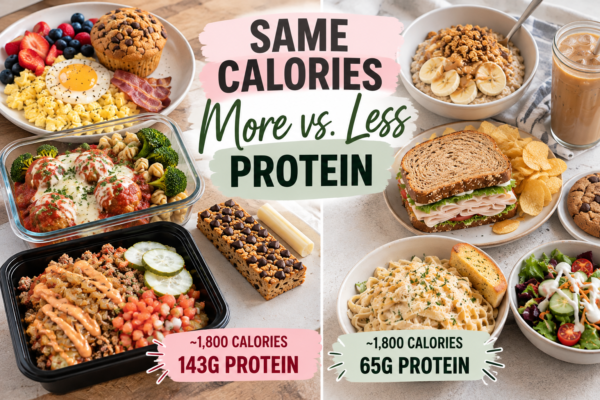
Protein is especially important for:
- muscle
- bone density
- metabolism
- appetite regulation
Fresh produce intake also reduces visceral fat.
Common Deficiencies
- Fiber
- Calcium
- Vitamin D
What Labs Should Women Ask For?
Katie suggests baseline labs if you haven’t been evaluated recently.
General Health Labs
- CMP
- Iron & ferritin
- Lipids
- A1C
- Vitamin D
- B12
Hormone Labs
- Estradiol (sensitive)
- SHBG
- FSH & LH
- Prolactin
- Progesterone
- Testosterone
- TSH with reflex
Screening Tests
- DEXA Scan for bone density, muscle mass, and visceral fat
“Perimenopause can often be diagnosed clinically, but labs help guide treatment.”
How to Advocate for Yourself
- Track your cycles and symptoms
- Bring notes to your appointment
- Ask directly about HRT
- Seek a second opinion if dismissed
- Use menopause.org to find trained providers
Resources mentioned:
- Estrogen Matters
- The New Menopause
- The New Perimenopause
- Dr. Mary Claire Haver
- Dr. Avrum Bluming & Carol Tavris
- Dr. Sharon Malone
- Dr. Kelly Casperson
- Dr. Sarah Hill
- Dr. Jordan Rullo
Long-Term Health: Why This Matters
Perimenopause is not just about symptom relief. It’s about:
- protecting bone density
- supporting heart health
- reducing dementia risk
- preserving metabolic health
- improving quality of life
Katie emphasized:
“Women have been under-treated for decades. Now that we have the information, we can advocate for ourselves and feel like ourselves again.”
Hope for the Future: Encouragement from Katie Kelly
“I want women to feel empowered. This is not the beginning of the end — it’s the beginning of a new chapter. Kids are growing up, you have more time for yourself, and with the right support, this can be an incredible season of life.”
Her final advice:
- Pay attention to your body
- Track your symptoms
- Educate yourself
- Seek proper care
- Give yourself grace
- Focus on long-term health
“Don’t settle for suffering. Strength train, eat your protein, manage stress, and talk openly about HRT — it’s never too late to thrive.”