Why You’re Feeling Bloated and What to Do About It

on Apr 14, 2025
This post may contain affiliate links. Please see our disclosure policy for more details.
We have all felt the discomfort of fullness and bloating. More often than not, bloating is directly related to our nutrition. One of the many benefits of working with a coach is that you have the information to evaluate what adjustments may be needed. Let’s look at a few common causes of bloating:

Table of Contents
- How Increased Protein Impacts Digestion
- Whole Food Protein vs. Supplements
- Fiber: Find the Right Balance
- Are Your Veggies Making You Gassy?
- Don’t Forget Your Water
- Sleep: A Surprising Factor in Bloating
- Hormonal Bloating is Real
- Other Common Culprits: Caffeine, Alcohol & Eating Too Fast
- Track It to Tweak It
- When to Talk to Your Doctor
- We’re Here to Support You
How Increased Protein Impacts Digestion
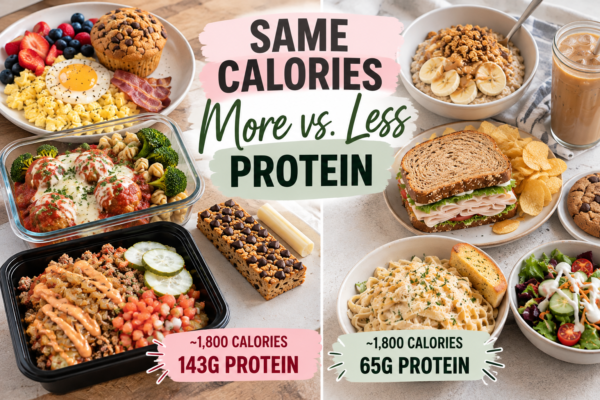
Increased Protein: If you are new to counting macros with us, you may have already noticed the big focus on protein. If your eating history has not included high protein and you begin eating more protein, it can take your body some time to adjust. Our bodies digest protein slower and that can lead to a feeling of fullness. This is why we work your protein up over time to build good habits and help your body adjust accordingly. In case you are wondering why you need to eat more protein, you can read more about that here:
Whole Food Protein vs. Supplements
Protein Sources: Sustainable nutrition is all about eating whole protein sources. A protein shake or bar can be a great option to help supplement protein, but if you are using supplements as your primary source of protein, it can leave you feeling bloated. We recommend limiting protein supplements to one or two servings a day at most. Here are some great resources to help you work more protein in without relying on too many supplements:
Fiber: Find the Right Balance
Fiber: Eating enough fiber will help promote regular bowel movements and prevent constipation. Fiber also feeds the beneficial bacteria in your gut. If you don’t eat enough fiber, you may experience bloating. If you come to us eating very low fiber and start eating 40 grams a day right away, you may feel bloated. So, just like protein, it is good to increase it in smaller increments until you are in the target range of at least 25-30 grams a day. Here are some great tips to get more fiber:
Are Your Veggies Making You Gassy?
Vegetables: We can all get in food ruts and eat the same things all the time. If you find yourself reaching for broccoli, cauliflower, brussel sprouts, or cabbage to get all of your veggies in, you may find yourself battling bloating. These vegetables are more challenging to digest and can begin to ferment in the gut causing gas. If you need to add some variety, leafy greens like kale, spinach and swiss chard are great options that may be easier on your gut. Vegetables are full of micronutrients and we want you to find the mix that works for you. You can learn more about the importance of micros here:
Don’t Forget Your Water
Water: Water is critical for every function in our body. Water flushes out sodium and toxins in our bodies. If you aren’t drinking enough water, your body will feel bloated. Here is some more insight on why water is so important:
Sleep: A Surprising Factor in Bloating
Sleep: Not getting enough sleep can increase stress, inflammation and bloating. We have some tips to help you sleep better too:
Hormonal Bloating is Real
Hormone Changes: If you notice that bloating peaks around your menstrual cycle, you are not alone. Eating a balanced diet, drinking enough water, and getting a good night’s sleep can all help minimize the symptoms of your menstrual cycle. Some women will still experience bloating. Tracking your cycle can help you know if your bloating is cycle related.
Other Common Culprits: Caffeine, Alcohol & Eating Too Fast
In addition to these things, caffeine and alcohol can relax the stomach which leads to more gas production. Carbonated beverages can leave you feeling bubbly in your gut and eating too fast can cause you to swallow too much air.
Track It to Tweak It
While bloating can be affected by all of these things, utilizing your Google Tracker and food logs will help you pinpoint what areas you can adjust to reduce bloating. It is important to note when you feel bloated in your tracker to help you identify the cause.
When to Talk to Your Doctor
If your bloating is persistent, it is important that you consult your doctor. There are a variety of medical conditions that may need care. SIBO (small intestinal bacterial overgrowth), IBS, Celiac and other diagnoses may require medical interventions or a special diet.
We’re Here to Support You
If you do find out that you need to eat a Low FODMAP diet, eliminate gluten or make other adjustments to your diet, we can recommend recipes, provide support, and adjust your macros to help you find consistency with any needed dietary restrictions. Our goal is to give you the tools to manage your nutrition so that you can feel your best!