8 Common Diet Mistakes That Keep You Stuck (And How to Fix Them!)

on Mar 10, 2025
This post may contain affiliate links. Please see our disclosure policy for more details.
Struggling to see progress despite your best efforts? You’re not alone. Many dieters unknowingly make common mistakes that keep them stuck in a frustrating cycle of restriction, overeating, and stalled results. The good news? With a few simple tweaks, you can break free and start making real, sustainable progress. Let’s dive into the top mistakes that might be holding you back—and how to fix them!
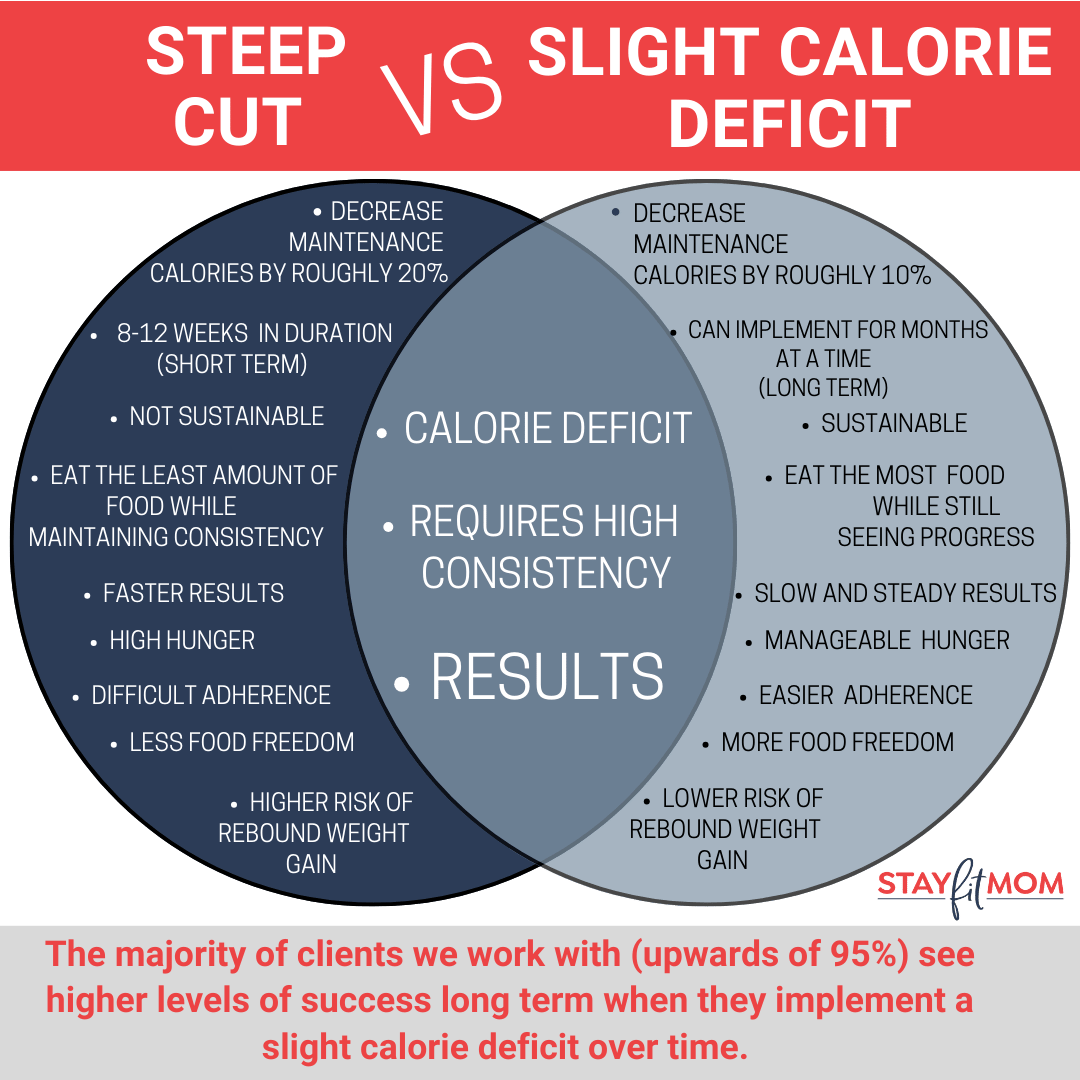
1. Eating Too Little (Overly Aggressive Deficits)
Trying to lose weight too fast by slashing calories too low leads to extreme hunger, low energy, and eventual overeating.
The result? Binge-restrict cycles that keep you from making real progress.
Fix: Instead of drastically cutting calories, aim for a moderate, sustainable deficit—typically 300–500 calories below maintenance. This allows for steady fat loss without extreme hunger or energy crashes. Prioritize nutrient-dense foods, eat enough protein to stay full, and focus on consistency over time. Remember, slower progress that you can maintain is better than rapid weight loss followed by rebound gain.
Wondering How much you should be eating for fat loss? CLICK HERE for our Free E-book. In this GREE guide, you’ll learn: The simple formula to calculate your daily calories and macros.

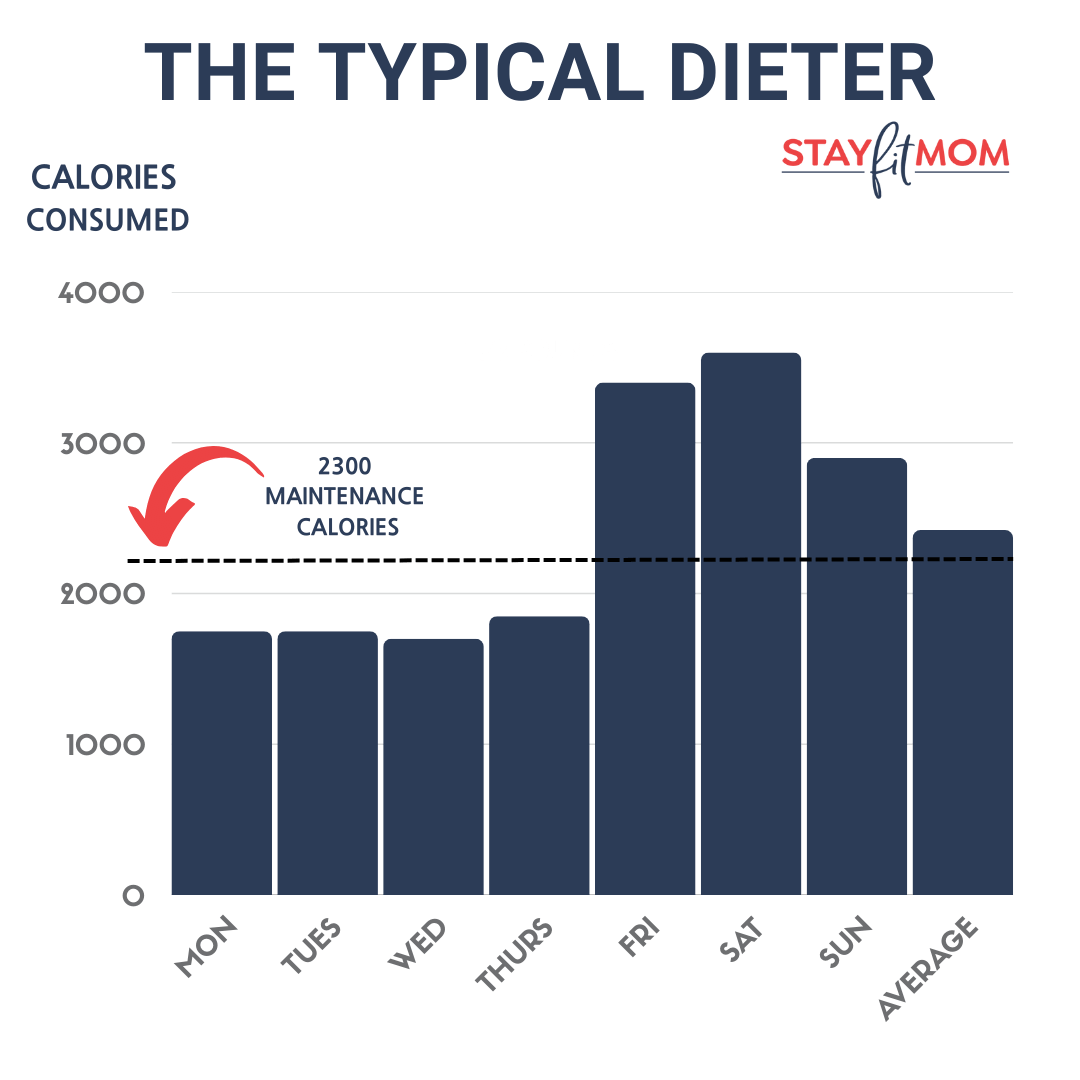
2. The “Weekday Warrior” Trap
Eating in a huge deficit Monday-Thursday, then overcompensating on the weekend.
Those Friday-Sunday splurges can completely wipe out your deficit, leaving you stuck.
Fix: Aim for a consistent calorie intake throughout the week instead of swinging between extremes. Plan satisfying, balanced meals every day—including foods you enjoy—to prevent weekend overindulgence. If you know weekends tend to be higher in calories, build in a small, controlled buffer rather than restricting heavily during the week. Sustainability and balance will get you better long-term results.
3. Not Eating Enough Protein
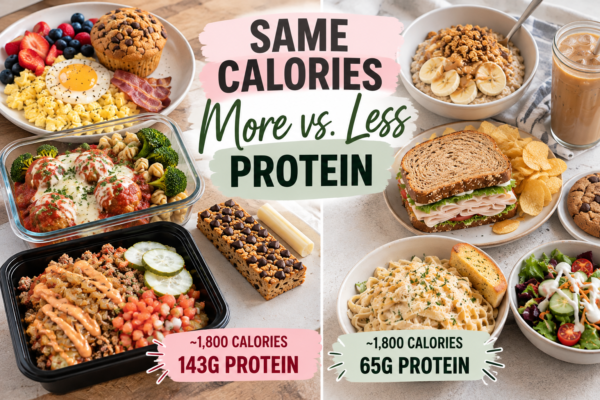
Protein is essential for muscle retention, metabolism, and keeping you full.
Many dieters under-eat protein, leading to more hunger and less fat loss.
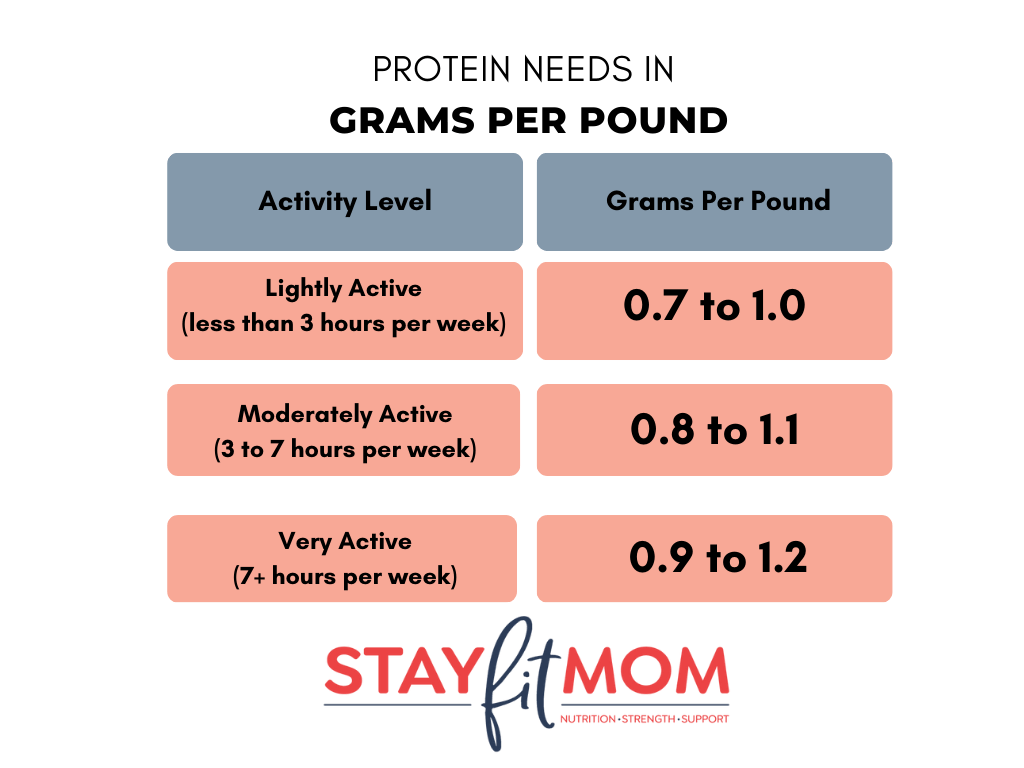
Fix: Prioritize protein at every meal by including lean meats, eggs, dairy, fish, or plant-based sources like tofu and beans. Aim for 0.8 to 1.1 grams of protein per pound of body weight (or goal weight if you have 30+ pounds to lose). Planning ahead and prepping protein-rich meals can help ensure you hit your target consistently.
4. Relying on Random Calorie Targets
Using a generic 1,200-calorie diet or what an app suggests without considering your individual needs.
A properly calculated calorie and macro intake will get you better results while feeling more sustainable.
Fix: Calculate your calorie and macro needs based on your body, activity level, and goals—not a random number from an app. Get all the information you need for a good starting point HERE. For a truly personalized approach, get a custom macro count or work with a coach to ensure your intake supports both fat loss and sustainability.

5. An “All-or-Nothing” Mindset
Thinking you have to be perfect or that one “off” meal ruins everything.
In reality, consistency over time is what matters—not perfection.
Fix: Shift your focus from perfection to progress and consistency. One meal or day off track won’t ruin your results—what matters is getting back on track without guilt. Aim for the 80/20 rule: prioritize nutrient-dense meals most of the time while allowing flexibility for enjoyment. Sustainable success comes from long-term habits, not short-term perfection.
6. Not Strength Training
Only focusing on cardio and ignoring resistance training.
Strength training helps preserve lean muscle, making fat loss more efficient and sustainable.
Fix: Incorporate strength training at least 2-3 times per week to preserve muscle and boost metabolism. Focus on compound movements like squats, deadlifts, and push-ups to build strength efficiently. Combining resistance training with cardio creates a balanced approach that supports fat loss while keeping you strong and energized. Grab the Stay Fit Mom At Home Dumbbell Workout Program HERE.
7. Not Tracking Accurately
Guessing portion sizes or “eyeballing” food can lead to underestimating how much you’re actually eating. Small mistakes can add up and slow progress.
Fix: Use a food scale and measuring tools to track portions accurately, at least for a few weeks, to build awareness. Logging your meals in an app can also help ensure you’re staying within your targets. Over time, you’ll develop a better eye for portion sizes without needing to measure every bite.
8. Giving Up Too Soon
Expecting drastic changes in a few weeks and quitting when results aren’t instant. Fat loss takes time, and patience is key!
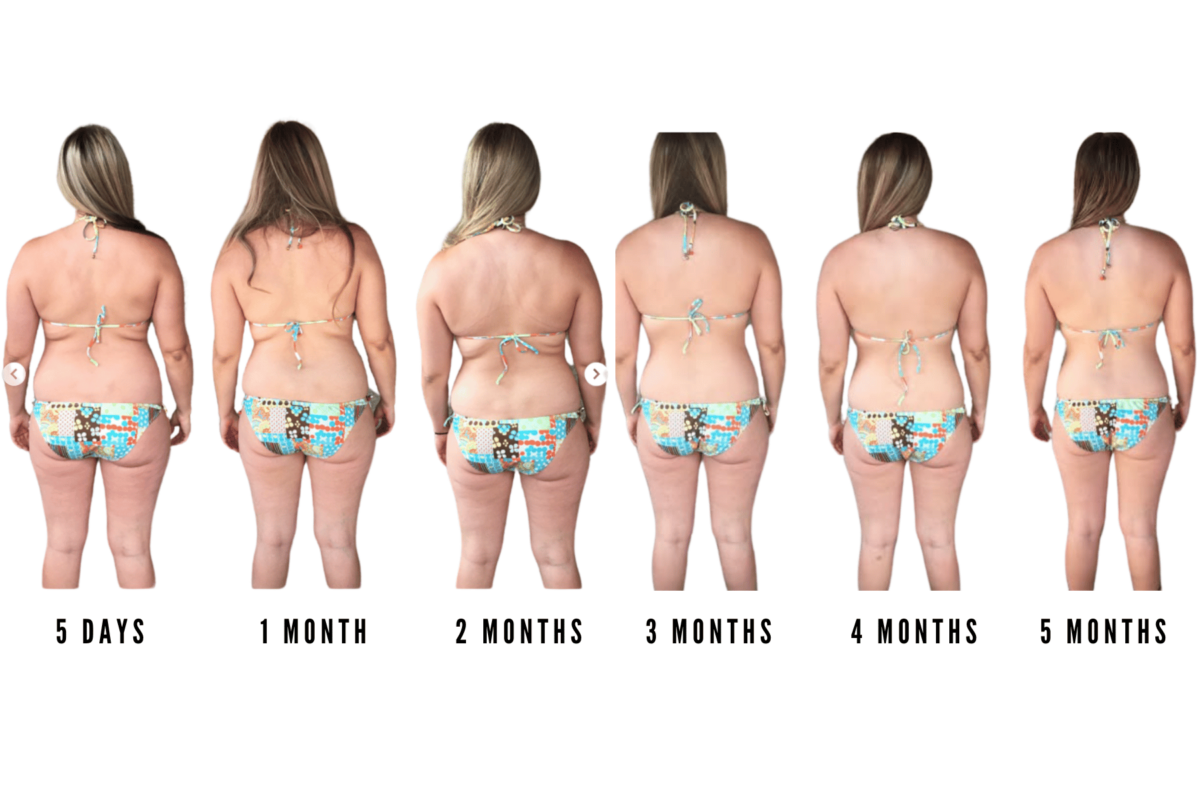
Fix: Focus on long-term progress, not just quick results. Take progress photos, track non-scale victories (like strength gains and energy levels), and remind yourself that small, consistent efforts add up. Trust the process, stay patient, and keep going—even when the scale isn’t moving as fast as you’d like!
In conclusion, weight loss isn’t about perfection—it’s about consistency and smart choices that align with your body’s unique needs. By avoiding common mistakes like extreme calorie deficits, unrealistic expectations, or neglecting strength training, you’ll be setting yourself up for sustainable success. Remember, fat loss is a marathon, not a sprint. Stay patient, stay consistent, and embrace the journey. Your progress may not always be instant, but with the right approach, the results will come! Keep pushing forward, and you’ll get there.